--English version below--
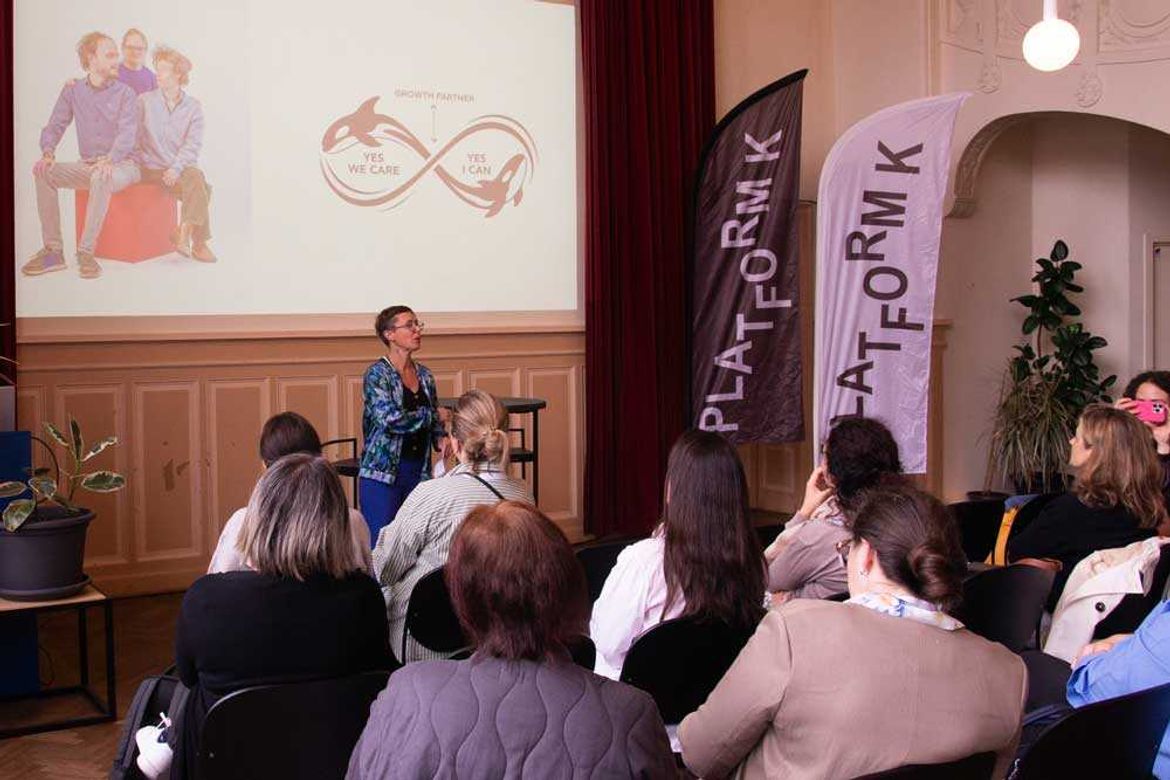
Op dinsdag 6 oktober mochten we die verhalen delen met bezoekers uit heel Europa tijdens 3 study visits in Brugge, Leuven en Gent. Via Brake-Out, Onwijs Onderwijs, Platform K en verschillende andere initiatieven kregen deelnemers een inkijk in hoe Konekt Group samen met partners bouwt aan meer inclusie, talentontwikkeling en participatie.
De 3 bezoeken vonden plaats in het kader van de jaarlijkse conferentie van EASPD (European Association of Service Providers for Persons with Disabilities), een toonaangevend Europees netwerk waar organisaties kennis uitwisselen, van elkaar leren en samen werken aan een inclusievere samenleving.
Jongeren tonen de impact van Brake-Out
In Brugge maakten deelnemers kennis met Brake-Out, ons leertraject voor jongeren met een cognitieve ondersteuningsnood.
Naast een introductie over de werking maakten de bezoekers vooral kennis met de jongeren zelf. Zij namen actief de rol van gastheer en gids op zich. Sommigen brachten hun persoonlijke traject in beeld, anderen maakten foto's of video's, of betrokken de groep via interactieve werkvormen.
Wat bijzonder opviel, was hoeveel groei en zelfvertrouwen zichtbaar werd. Jongeren die een tijd geleden nog aarzelden om voor een groep te spreken, namen nu het woord voor een internationaal publiek. Niet perfectie stond centraal, maar durven, groeien en je eigen talenten inzetten. En dat is precies waar Brake-Out voor staat.
Bouwen aan inclusief onderwijs
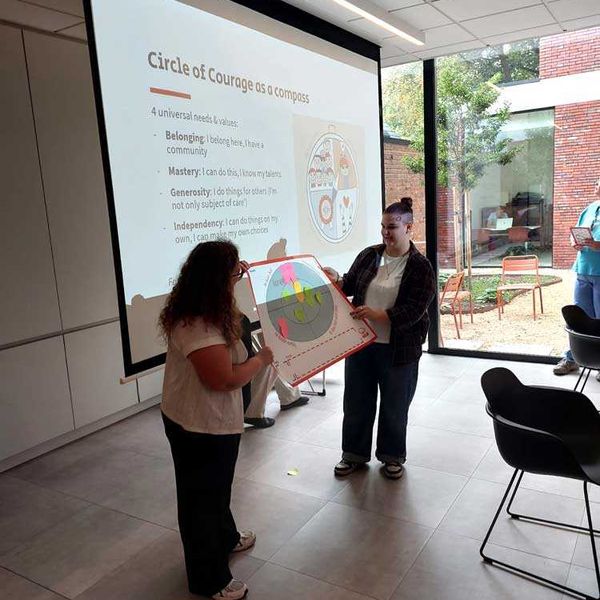
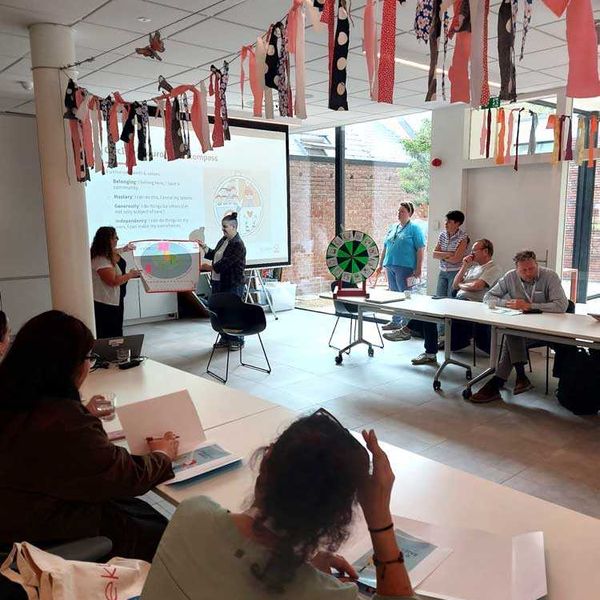
Tijdens het bezoek in Leuven lag de focus op inclusief onderwijs. Vanuit het project Onwijs Onderwijs, een samenwerking tussen De Genereuzen, Docenten voor Inclusie en Konekt, en samen met partners uit het onderwijsveld werd getoond hoe scholen kunnen evolueren naar leeromgevingen waar álle leerlingen welkom zijn. Daarbij kwamen niet alleen visie en beleid aan bod, maar ook concrete praktijken uit de klas.
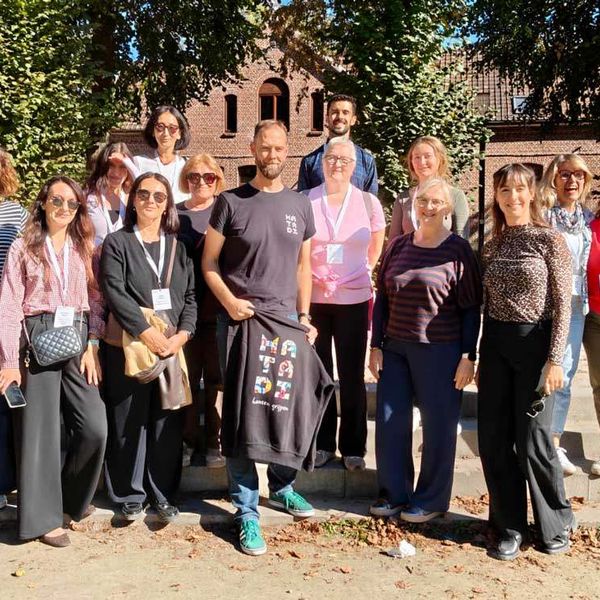
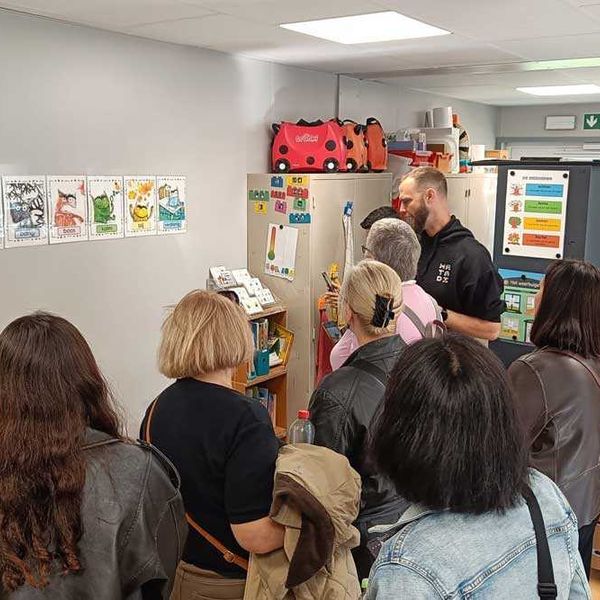
Tijdens een bezoek aan basisschool Matadi in Heverlee - een voortrekker binnen Onwijs Onderwijs - kregen de bezoekers inzicht in hoe expertise, middelen en schoolorganisatie anders kunnen worden ingezet om inclusief onderwijs mogelijk te maken. Directeur Jona Van den Bossche maakte duidelijk dat inclusie geen theoretisch ideaal hoeft te zijn, maar vandaag al gerealiseerd kan worden wanneer scholen bewust kiezen voor samenwerking en talentgericht werken.
Talent als motor voor inclusie
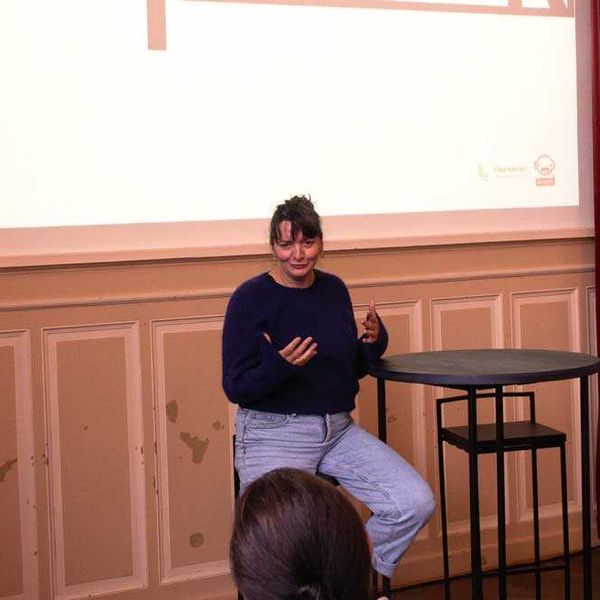
In cultuurhuis Viernulvier in Gent maakten bezoekers kennis met onze onze talentgerichte aanpak en met Konekt Group als geheel.
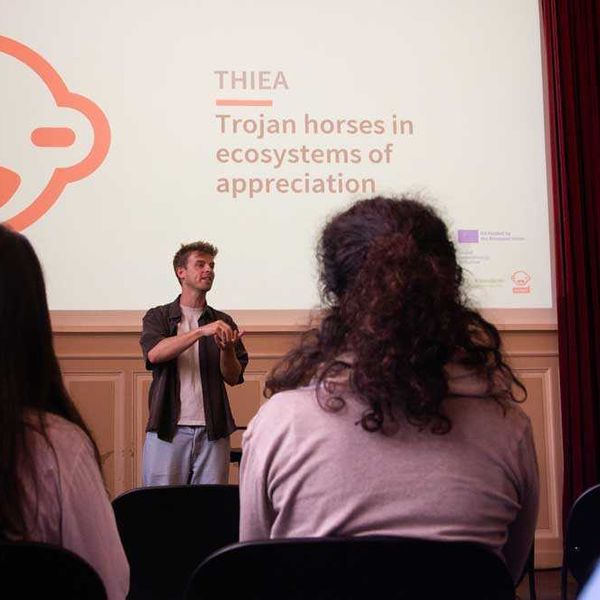
In verschillende presentaties en gesprekken leerden de deelnemers hoe we bouwen aan een samenleving waarin mensen met een handicap hun talenten kunnen ontwikkelen en inzetten. Aan de hand van het Europese project THIEA (Trojan Horses In Ecosystems of Appreciation) lieten we zien hoe jongeren met een ondersteuningsnood ondersteund worden in de vaak moeilijke overgang van school naar werk. Daarbij staat niet alleen de ontwikkeling van jongeren centraal, maar ook het versterken van de leer-, werk- en zorgomgevingen rondom hen.
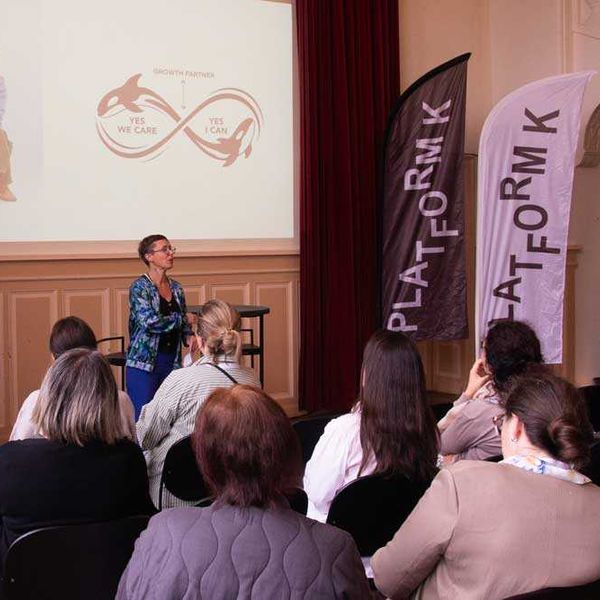
Daarnaast kregen bezoekers een inkijk in ORCA, het model waarmee Konekt inclusieve praktijken wil opschalen zodat steeds meer organisaties en individuen zelf duurzame verandering kunnen realiseren.
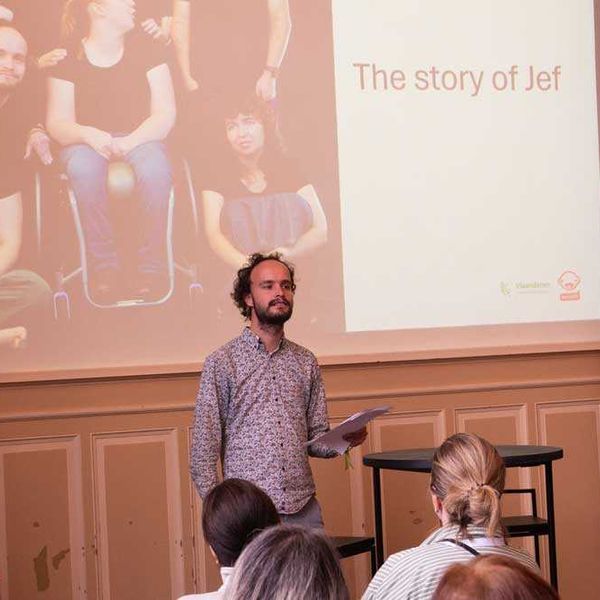
Een persoonlijke getuigenis van ambassadeur Jef Dolfyn bracht dat verhaal tot leven. Jef volgde zelf het Brake-Out-traject en deelde hoe talentontwikkeling en kansen op participatie een verschil kunnen maken.
Het bezoek werd afgesloten met een gesprek met Inge Lattré, artistiek coördinator van Platform K. Bezoekers ontdekten hoe professionele danstraining, artistieke ambitie en talentontwikkeling samenkomen in een werking van deze inclusieve danscompagnie die dansers met een handicap voorbereidt op het professionele kunstenveld. Via eigen producties, coproducties, residenties en internationale samenwerkingen bouwt Platform K mee aan een cultureel landschap waarin talent centraal staat.
Kennis delen en inspireren
De drie study visits maakten duidelijk hoe inclusie er in de praktijk kan uitzien: in onderwijs, cultuur, talentontwikkeling en maatschappelijke participatie.
We kijken met veel trots terug op de openheid waarmee deelnemers, collega's, partners en ambassadeurs hun verhalen deelden. Net dat maakt internationale uitwisseling zo waardevol. Door ervaringen te delen, leren we van elkaar en versterken we samen de beweging naar een inclusievere samenleving.
European visitors discover inclusion and talent-driven support in action
Young people sharing their personal growth journeys with an international audience, a primary school demonstrating that inclusive education works, and dancers with disabilities growing into professional performers on international stages. Sounds like a vision for the future? Not at all. These are stories that already exist today and continue to grow every day within Konekt Group.
On 6 October, we had the pleasure of sharing these stories with visitors from across Europe during three study visits in Bruges, Leuven and Ghent. Through Brake-Out, Onwijs Onderwijs, Platform K and several other initiatives, participants gained insight into how we work together with partners to advance inclusion, talent development and participation.
The three visits took place as part of the annual conference of EASPD (European Association of Service Providers for Persons with Disabilities), a leading European network where organisations exchange knowledge, learn from one another and work together towards a more inclusive society.
Young people showcase the impact of Brake-Out
In Bruges, participants were introduced to Brake-Out, our learning programme for young people with cognitive support needs.
Alongside an introduction to the programme, visitors had the opportunity to meet the young people themselves. They actively took on the role of hosts and guides. Some shared their personal journeys, others created photos or videos, while others engaged the group through interactive activities.
What stood out most was the growth and self-confidence on display. Young people who not so long ago hesitated to speak in front of a group were now addressing an international audience. The focus was not on perfection, but on daring, growing and using your talents. And that is exactly what Brake-Out is all about.
Building inclusive education
The visit in Leuven focused on inclusive education.
Through Onwijs Onderwijs, a collaboration between De Genereuzen, Docenten voor Inclusie and Konekt, and together with partners from the education sector, participants explored how schools can evolve into learning environments where every learner feels welcome. The session addressed not only vision and policy, but also concrete classroom practices.
During a visit to Matadi Primary School in Heverlee, a leading partner within Onwijs Onderwijs, participants discovered how expertise, resources and school organisation can be reimagined to make inclusive education possible. School principal Jona Van den Bossche demonstrated that inclusion does not have to remain a theoretical ideal. When schools consciously choose collaboration and a talent-based approach, it can become a reality today.
Talent as a driver for inclusion
At arts centre Viernulvier in Ghent, visitors were introduced to Konekt Group and our talent-driven approach to inclusion.
Through a series of presentations and conversations, participants learned how we work towards a society in which people with disabilities can develop and use their talents. Through the European project THIEA (Trojan Horses In Ecosystems of Appreciation), we demonstrated how young people with support needs can be supported during the often challenging transition from school to work. The project focuses not only on the development of young people themselves, but also on strengthening the learning, work and support environments around them.
Visitors also gained insight into ORCA, Konekt's model for scaling inclusive practices so that more organisations and individuals can create sustainable change themselves.
A personal testimony by Konekt ambassador Jef Dolfyn brought these ideas to life. Having completed the Brake-Out programme himself, Jef shared how opportunities for talent development and participation can make a profound difference.
The visit concluded with a conversation with Inge Lattré, artistic coordinator of Platform K. Participants discovered how professional dance training, artistic ambition and talent development come together within this inclusive dance company, which prepares dancers with disabilities for the professional performing arts sector. Through its own productions, co-productions, residencies and international collaborations, Platform K contributes to a cultural landscape where talent takes centre stage.
Knowledge and inspiration
The three study visits demonstrated what inclusion can look like in practice: in education, culture, talent development and social participation.
We look back with great pride on the openness with which participants, colleagues, partners and ambassadors shared their experiences and stories. That is exactly what makes international exchange so valuable. By sharing knowledge and learning from one another, we strengthen the movement towards a more inclusive society together.


Geplaatst op
wo 7 oktober '26